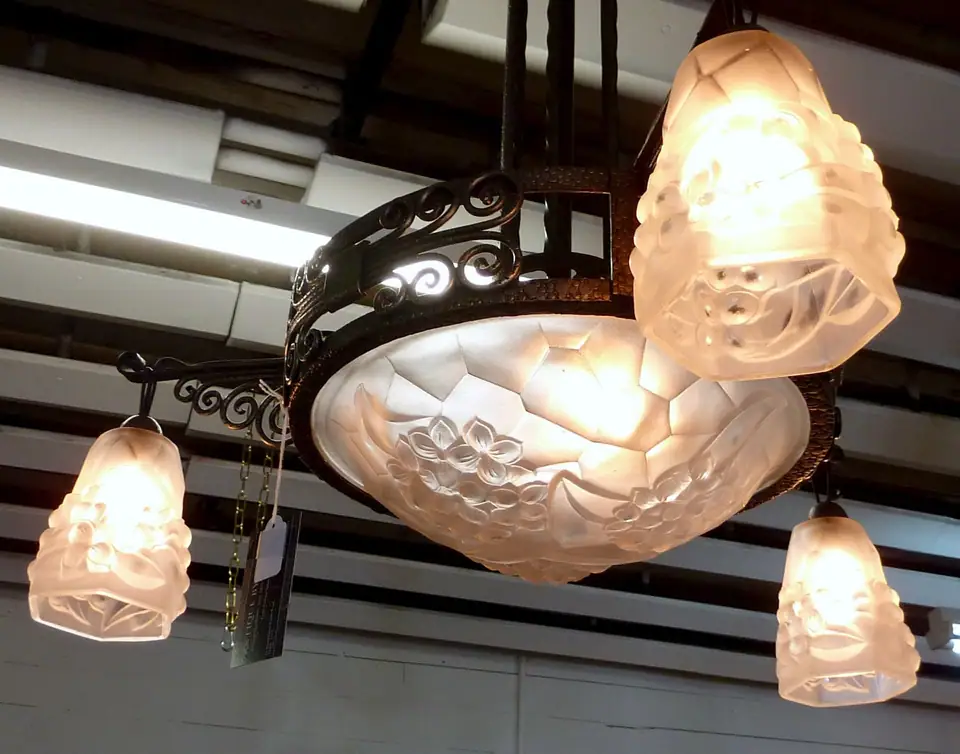
Plate IXValue, care and wiringIdentification
Antique and Vintage Lamps: How to Identify Them and What Adds Value
How to identify an antique or vintage lamp from its marks, maker and materials, and what specialists say makes one valuable: maker, base, condition and parts.
We earn from qualifying purchases through links on this page. How we make money.
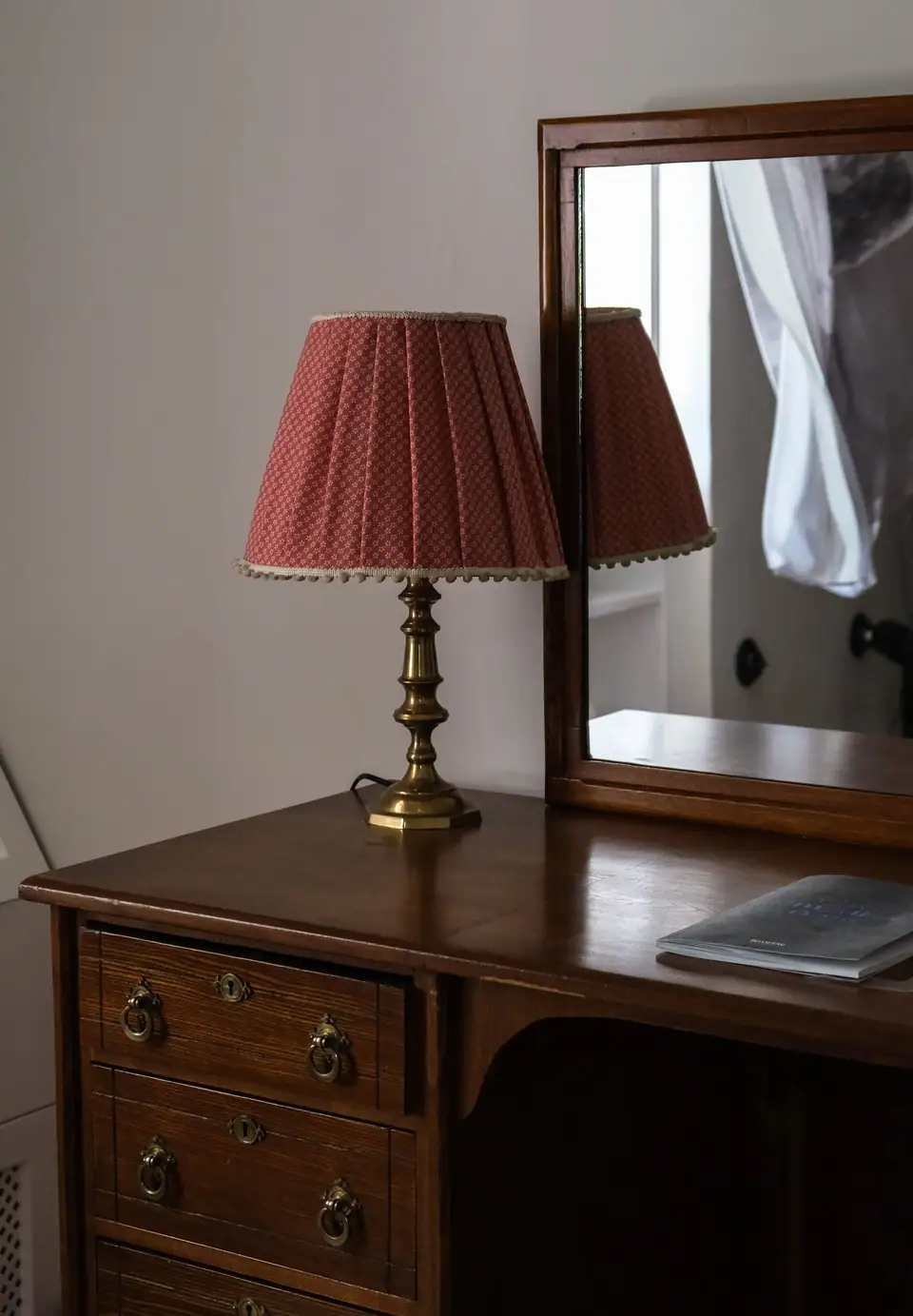
To identify an antique or vintage lamp, look for a maker’s mark under the base, inside or on the rim of the shade, and on the socket, then check the materials and construction against that maker’s known work. Value follows the same order: a recognized maker, original shade and base, intact patina and sound glass matter most.
We do not appraise lamps
This page explains what specialists look at. It cannot put a figure on your lamp. For that, ask an auction house’s specialist department or an independent appraiser, and bring clear photos of every mark.
Antique or vintage: what is the difference?
Age. Helaine Fendelman and Joe Rosson, who wrote a syndicated antiques column, put the traditional rule plainly: an object “has to be at least 100 years old before it can be classified as being an antique.” By that rule, a lamp from the 1920s is becoming antique, while a 1950s or 1960s lamp is vintage. Sellers use both words loosely, so check the date claim rather than the label.
Where do you find the marks?
In the same few places on most lamps:
- Under the base. Pairpoint bases were incised; a Skinner catalog entry records “Pairpoint,” a letter P inside a diamond and a model number on one.
- On or inside the shade. The same Pairpoint shade was signed “Pairpoint Corp.” Emeralite shades carry a silver ink stamp or a decal, according to the Emeralite collector history.
- Cast into metal. Frankart figural lamps of about 1930 carry molded marks such as “Frankart Inc. Pat. Appld. For,” according to a Skinner auction entry.
- On the socket and cord. A replaced socket or cord shows the lamp has been repaired; it says little about who made it.
A mark is where research starts, not where it ends. Christie’s warns that even a “Tiffany Studios” mark “is no guarantee of originality,” and the same caution applies to any famous name.
Which makers do collectors look for?
The table lists American makers our sources document, with the dates those sources give.
| Maker | Where and when | Known for | Source |
|---|---|---|---|
| Tiffany Studios | New York; leaded shades from 1898 | Leaded Favrile glass, bronze bases | Neustadt, Christie’s |
| Handel | Meriden, Connecticut; founded 1885 | Leaded and painted lamps | Iowa State University Museums |
| Pairpoint | New Bedford, Massachusetts; early 1900s | “Puffy” reverse-painted shades | Skinner |
| Bradley & Hubbard | Meriden, Connecticut; founded 1852 | Kerosene lamps and metal household goods; over 200 patents from 1856 to 1934 | ConnecticutHistory.org |
| Emeralite (H.G. McFaddin & Co.) | New York; from 1909 | Green cased glass bankers lamps | Emeralite collector history |
| Frankart | New York; incorporated 1924, closed 1935 | Art deco figural lamps and bookends | Rinker on Collectibles |
| Stiffel | Chicago; founded 1932 | Metal and brass lamps, the Stiffel Switch | Stiffel Lighting |
Vintage brass lamps, including Stiffel
Live listings, shown by eBay
Opens eBay in a new tab. Check condition, seller feedback and returns.
These are pre-owned lamps. Check each listing’s photos of the base and any label, and plan on having the wiring checked.
Before you plug it in
The CPSC warns that “a frayed or cracked cord could cause a shock or fire.” Have an old lamp’s cord, plug and socket checked or replaced before use, and use a bulb no higher than its marked wattage. The rewiring guide covers the parts.
What makes an antique lamp valuable?
Christie’s collecting guide for Tiffany lamps sets out what its specialists weigh, and the same questions are a sound way to judge any signed period lamp:
- The maker and the design. Rare designs command the most. Christie’s puts attractive geometric Tiffany Studios lamps from around $5,000, while its rarest designs have sold for millions.
- The base. “The base can be as important as the shade, if not more so.”
- Condition. “You shouldn’t expect perfection” in a 100-year-old object; a few cracks are typically acceptable, a fallen shade or missing glass much less so.
- Original parts and finish. Sensitive rewiring “does not affect the value,” but scratched patina or new sockets can lower it.
- The materials. Specialists examine “the leading, patina, pattern, casting of the bronze base and, most importantly, the type and quality of the glass.”
What is slag glass?
The Corning Museum of Glass calls “slag glass” a collectors’ name for opaque pressed glass with colored streaks, usually white or cream. It says the glass was sold in its day under names such as “Marble glass” and “Brown malachite.” Collectors Weekly notes that slag glass “was a popular material for lampshades.” The table and floor lamp guide shows how slag glass lamps look beside true art deco pieces.
Antique slag glass and leaded lamps
Live listings, shown by eBay
Opens eBay in a new tab. Check condition, seller feedback and returns.
How should you buy an antique lamp online?
Ask for what a specialist would look at: the underside of the base, every mark, the inside of the shade, and close photos of any cracks. Ask whether the wiring is original or replaced, and whether the seller kept the old parts. A lamp described as “Tiffany” without the word “style” deserves the most questions; our real Tiffany or Tiffany-style guide explains why.
For eras and styles, see art nouveau vs art deco lighting, or start at the art deco lighting guide.
Frequently asked questions
How can I tell if my lamp is valuable?
Start with a maker's mark, then the materials and condition. A signed lamp by a recognized period maker, with its original shade and base and its patina intact, is the kind auction houses catalog. For a figure, ask an auction house or appraiser; we cannot value individual lamps.
What antique lamps are worth money?
Signed pieces by recognized period makers, such as Tiffany Studios, Handel and Pairpoint, are the ones auction houses catalog by name. Christie's puts attractive geometric Tiffany Studios lamps from around $5,000 and its rarest designs in the millions.
Is a 1950s lamp an antique?
Not by the traditional rule. The antiques columnists Helaine Fendelman and Joe Rosson say an object must be at least 100 years old to be called an antique; younger pieces are vintage.
Does replacing the cord ruin an antique lamp's value?
Christie's says sensitive rewiring does not affect a Tiffany lamp's value, but scratching the base's patina or fitting new sockets can lower it. Keep any original parts that are removed.
Where are the marks on an antique lamp?
Usually under the base, on the shade rim or inside the shade. Pairpoint signed shades and incised bases; Emeralite shades carry an ink stamp or decal.
Sources
- Chandelier is attractive, but not antiqueThe Atlanta Journal-Constitution
- Making a Tiffany LampThe Neustadt Collection of Tiffany Glass
- Collecting guide: 10 things to know about Tiffany lampsChristie's
- Handel (maker record)University Museums, Iowa State University
- Pairpoint Puffy Lamp (auction 2342, lot 226)Skinner Auctioneers
- Illuminating Connecticut's Past: The Bradley & Hubbard LegacyConnecticutHistory.org (CT Humanities)
- Company BackgroundStiffel Lighting
- History of Bellova and Emeralite lampsEmeralite.com (collector history)
- What is slag glass?Corning Museum of Glass
- Antique Slag Glass LampsCollectors Weekly
- Two Frankart Figural Lamps (auction 3325B, lot 311)Skinner Auctioneers
- Rinker on Collectibles, column 1307Harry L. Rinker
- CPSC and NESF Urge Consumers to "Plug Into Electrical Safety"U.S. Consumer Product Safety Commission
Collection: Value, care and wiringIntroduction: Art Deco Lighting: How to Recognize and Buy 1920s and 1930s Lamps
Nearby in the catalogue
The whole cataloguePlate I
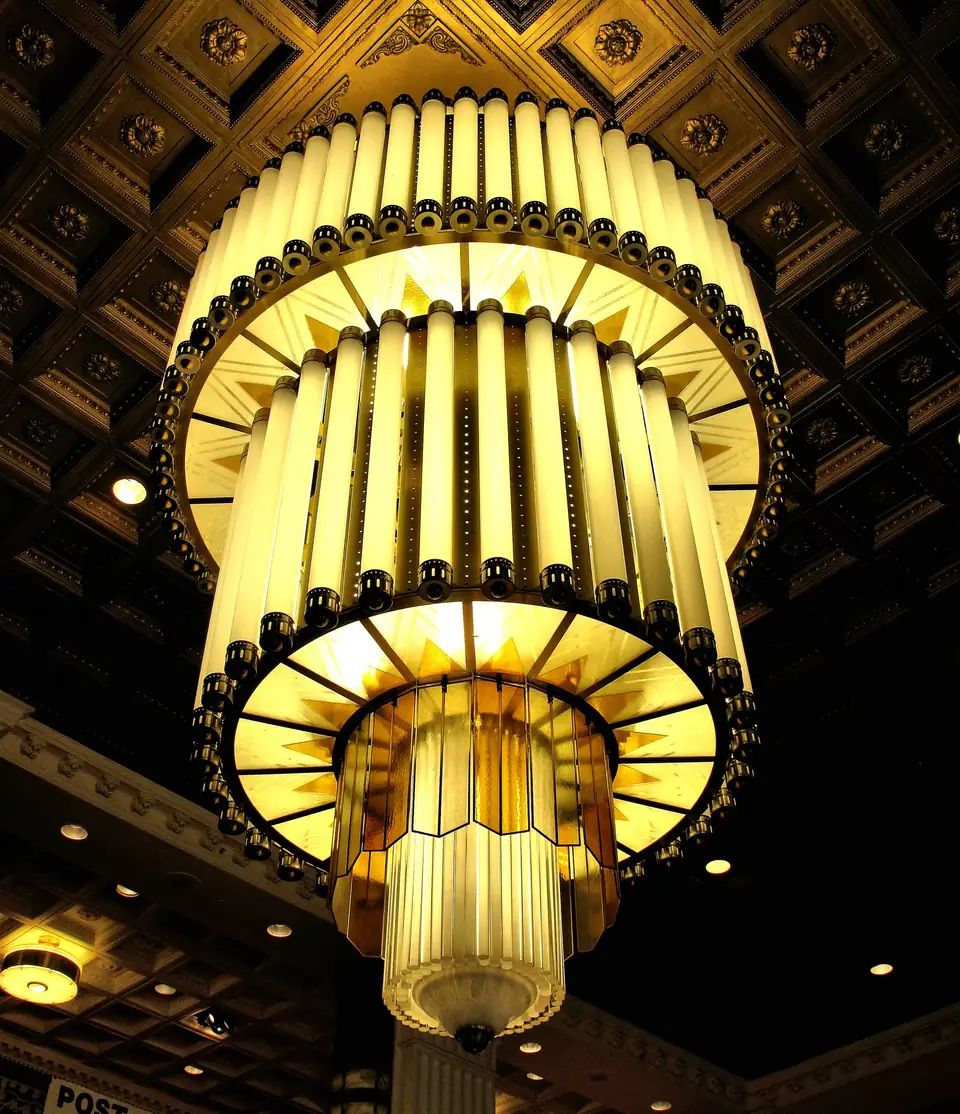
Art Deco Lighting: How to Recognize and Buy 1920s and 1930s Lamps
Photo: Francisco Anzola / Wikimedia Commons, CC BY 2.0Plate X
Plate XI
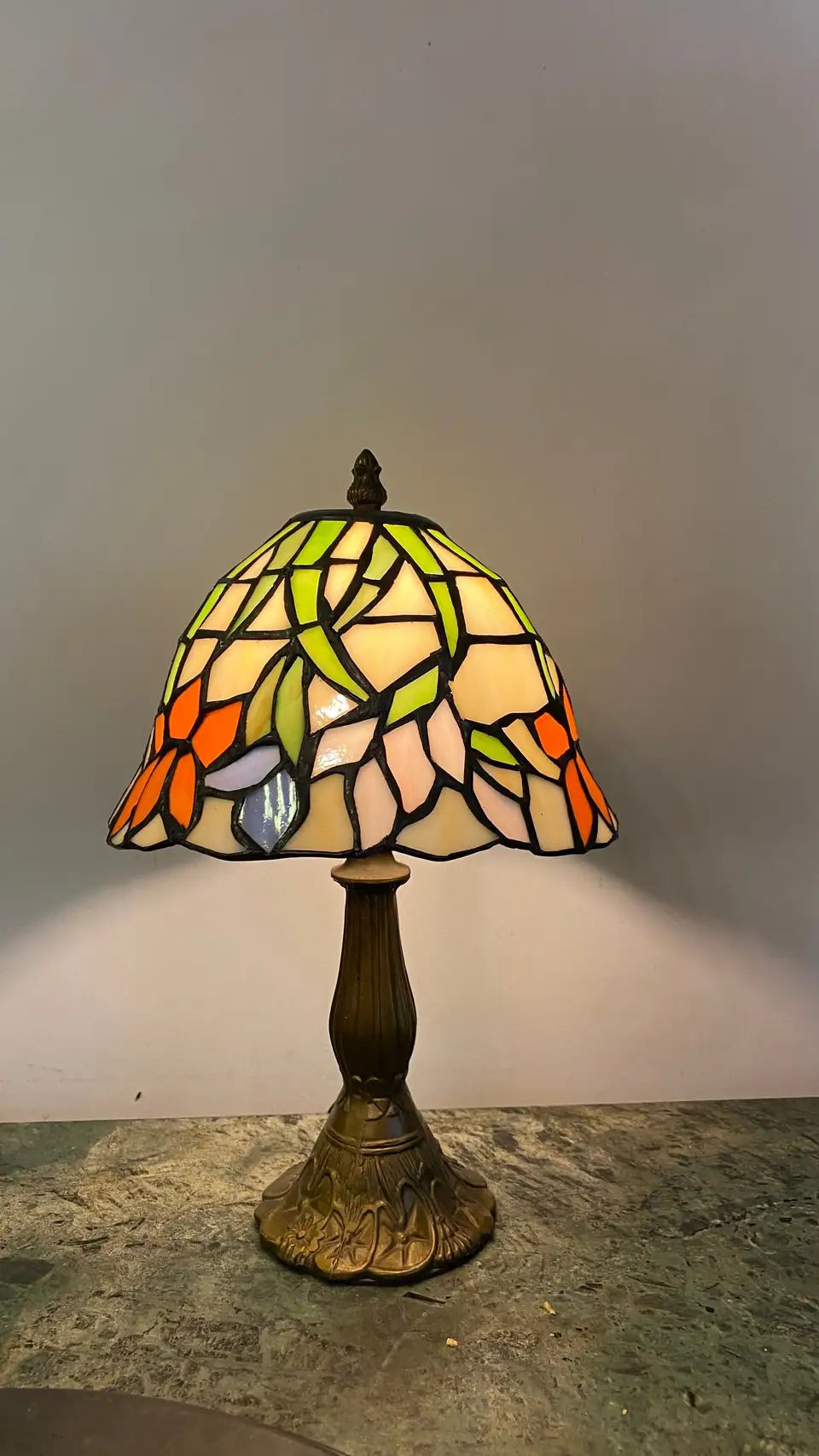
Plate II