Plate VIOther erasComparison
Art Nouveau vs Art Deco Lighting, Plus Bauhaus and Brutalist
How to tell art nouveau, art deco, Bauhaus, Streamline and brutalist lamps apart: dates, shapes, materials and museum examples, era by era.
We earn from qualifying purchases through links on this page. How we make money.
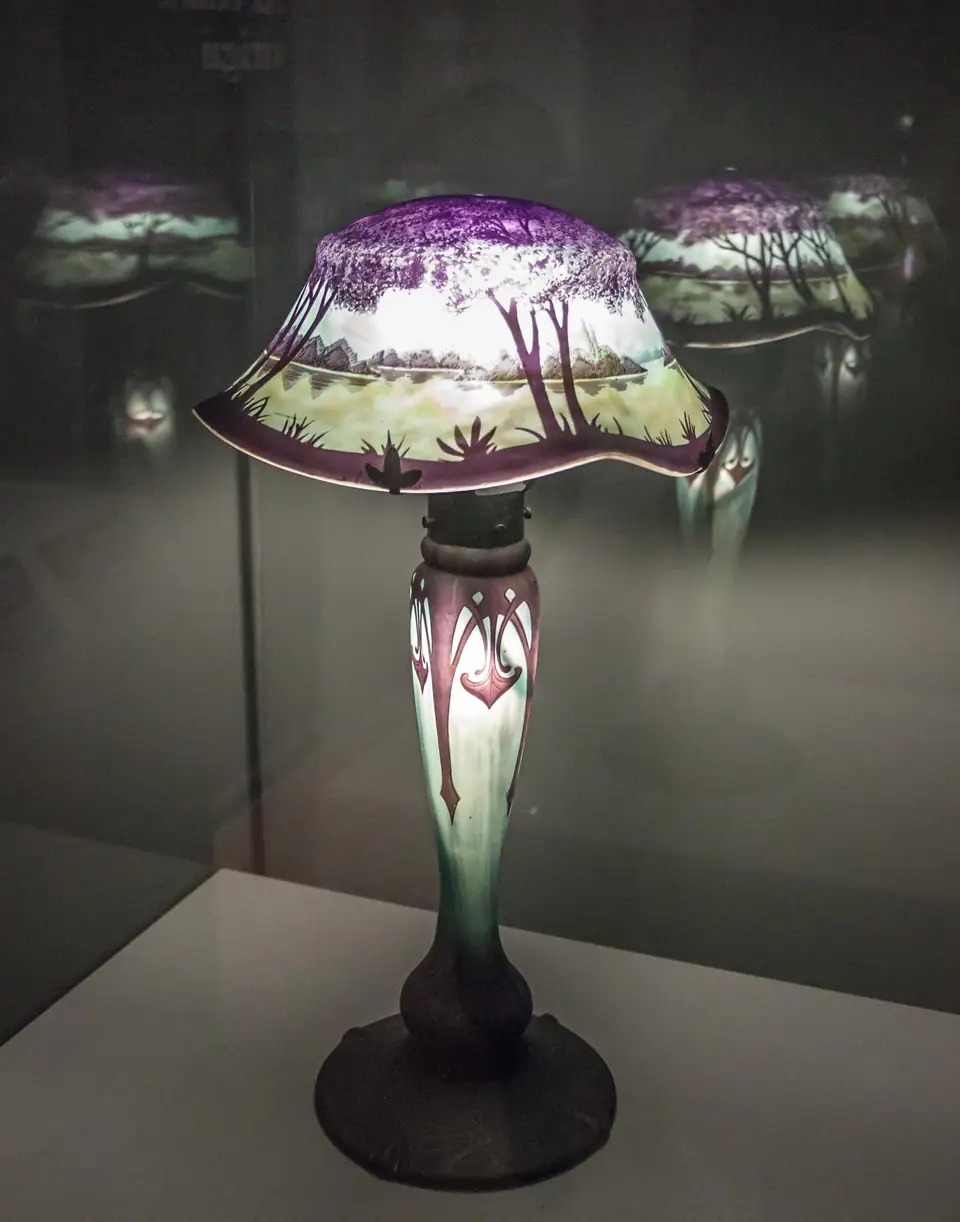
Art nouveau lighting (early 1890s to the First World War) follows nature: flowers, tendrils and whiplash curves in painted or cameo glass. Art deco (the 1920s and 1930s) is geometric, with sunburst and machine-age forms in chrome, silvered brass, bronze and etched glass. Bauhaus lamps strip both to plain geometry; Streamline adds speed lines.
How do you tell the eras apart?
Start with dates and one question: does the lamp imitate a plant, or a machine? The table sets out each era with a museum example you can look up.
| Era | Dates (source) | What to look for | Museum example |
|---|---|---|---|
| Art nouveau | Early 1890s to the First World War (V&A) | “Delicate tendrils, organic forms, swooping, swirling lines” | Emile Gallé table lamp, about 1900, glass and metal (LACMA) |
| Tiffany leaded glass | Leaded shades from 1898 (Neustadt) | Nature patterns in leaded Favrile glass on bronze | Tiffany Studios lamps (see our Tiffany guides) |
| Art deco | The 1920s through the 1930s (V&A) | “Playful, luxurious, exotic, geometric, modern” | Edgar Brandt “Temptation” torchère, about 1925 (NGV) |
| Bauhaus | Mid 1920s (V&A) | Industrial materials, plain geometry, no ornament | Wilhelm Wagenfeld MT8 lamp, about 1924 (V&A) |
| Streamline | The 1930s (Cooper Hewitt) | “Bullet shaping, speed lines, and wings” | American streamlined appliances and furniture |
| Mid-century | From the 1950s (Herman Miller, Flos) | Designs its makers still produce, such as the Arco and Bubble lamps | George Nelson Bubble Lamp, first designed 1952 |
What does an art nouveau lamp look like?
Like a plant or a landscape turned into glass. The V&A says art nouveau took “its inspiration from the natural world.” Gallé’s table lamp of about 1900 at LACMA is made of glass and metal, and a 1912 table lamp by the Daum factory of Nancy, now in the Museum of Applied Arts in Budapest, carries a painted waterside landscape on both shade and base. The Metropolitan Museum’s lamp by Pierre-Adrien Dalpayrat, about 1900 to 1902, pairs glass with glazed stoneware and bronze.
On a lamp for sale, the signs are painted or carved glass shades with flowers or scenery, bronze bases shaped like stems or figures, and curves rather than straight edges.
Art nouveau and brutalist lamps
Live listings, shown by eBay
Opens eBay in a new tab. Check condition, seller feedback and returns.
Pre-owned lamps in this slot are period pieces or later ones in the style; check the date claim and ask for photos of any signature.
Before you plug it in
The CPSC warns that “a frayed or cracked cord could cause a shock or fire.” A lamp from the 1900s to the 1930s may still carry its original wiring: have it checked or replaced, and read the rewiring guide first.
What does an art deco lamp look like?
Geometric, and proud of its materials. The V&A counts art deco among the first global design movements, and the 1925 Paris exhibition of decorative and industrial arts, Cooper Hewitt notes, “established Paris as the city to sell the new design and aesthetic of Art Deco.”
Lighting at that exhibition shows the change. Edgar Brandt displayed his serpent lamps, called Temptation, on his own stand; the National Gallery of Victoria’s example pairs a patinated bronze snake with an etched glass shade by Verrerie de Nancy, and says the lamps were produced between 1920 and 1926. In the United States, the Met’s 1927 table lamp by Donald Deskey is chrome-plated metal and glass, and its 1928 lamp by Walter von Nessen is silvered brass with a paper shade.
Where nouveau curves, deco turns geometric. The Art Story points to the sunburst pattern on the Chrysler Building crown as a signature American deco motif. On a lamp, look for geometric bases and shades, frosted or etched glass, and chrome, nickel or silvered metal. Our art deco table and floor lamp guide and chandelier guide cover each fixture type.
Art deco lamps
Live listings, shown by eBay
Opens eBay in a new tab. Check condition, seller feedback and returns.
Where do Tiffany lamps fit?
Between the two, and closer to art nouveau. Tiffany’s studios introduced leaded-glass shades in 1898, according to the Neustadt Collection, and their dragonflies, lilies and wisteria follow nature in the nouveau way. The Delaware Art Museum dates the Tiffany Studios name from 1902 to 1932, so production ran on into the deco years, which is why a leaded lamp can carry a 1920s date without being art deco. Our Tiffany-style lamp guide covers them in full.
Where does the Bauhaus fit?
Beside art deco, in the same years, but without the luxury. The V&A’s MT8 table lamp was designed by Wilhelm Wagenfeld soon after he joined the Bauhaus metal workshop in Weimar in 1923, and the first lamps were made in the spring of 1924. It is nickel-plated brass with a milky glass dome on a plain column.
The V&A notes that the lamp was made under license by Schwintzer & Graff of Berlin from 1928, and that “a version of this lamp is still in production today.” A new one is a licensed reissue; an early one is a museum-level rarity.
What is Streamline Moderne?
The 1930s turn of art deco toward speed. Cooper Hewitt says streamlining emphasized “speed and motion” and became recognizable by “bullet shaping, speed lines, and wings,” borrowed from ships and trains. In lamps, look for rounded horizontal forms with parallel chrome bands.
And brutalist lighting?
A later and looser label. Sellers use “brutalist” for heavy, textured metal lamps and chandeliers, borrowing the word from Brutalist architecture. We found no museum definition of brutalist lighting, so treat the word as a description, not a date. Ask for the maker and the year, as auction houses record them: Sotheby’s, for example, catalogs a Paul Evans room divider of 1967 as “welded and patinated steel,” signed and dated in the weld.
For the next era, see mid-century modern lighting. For Tiffany and leaded glass, see real Tiffany or Tiffany-style. Back to the art deco lighting guide.
Frequently asked questions
Is 1920s lighting art deco or art nouveau?
Usually art deco. The V&A dates art nouveau from the early 1890s to the First World War and art deco from the 1920s through the 1930s, so a lamp designed in the 1920s belongs to the deco years, though older nouveau designs stayed in production.
What is the main difference between art nouveau and art deco lamps?
Line. Art nouveau follows nature, with tendrils, flowers and swirling curves; art deco is geometric, with sunburst motifs and machine-age metals such as chrome and silvered brass.
Is Tiffany art nouveau or art deco?
Art nouveau in period and spirit. Tiffany's leaded shades began in 1898, and the V&A cites a Tiffany Favrile vase among its art nouveau examples.
What is a Bauhaus lamp?
Most often the MT8 table lamp Wilhelm Wagenfeld designed at the Bauhaus metal workshop in Weimar around 1924, with a glass dome shade on a plain column. The V&A notes that a version is still in production.
What does brutalist mean for a lamp?
Sellers use it for heavy, textured metal pieces. We found no museum definition of brutalist lighting, so ask for the maker and date of any piece sold under the name.
Sources
- Art NouveauVictoria and Albert Museum
- Art DecoVictoria and Albert Museum
- Making a Tiffany LampThe Neustadt Collection of Tiffany Glass
- Tiffany Studios (artist biography)Delaware Art Museum
- Art Deco movement overviewThe Art Story
- Arco, design iconFlos
- Nelson Saucer Bubble PendantHerman Miller
- Shopping for Art Deco in an Art Deco ParisCooper Hewitt, Smithsonian Design Museum
- Appliances Sailing into the American HomeCooper Hewitt, Smithsonian Design Museum
- Table Lamp, Emile Gallé, circa 1900Los Angeles County Museum of Art
- Table lamp, Pierre-Adrien Dalpayrat, about 1900 to 1902The Metropolitan Museum of Art
- Table lamp with waterside landscape, Daum, 1912Museum of Applied Arts, Budapest (via Wikimedia Commons)
- Temptation, standard lamp (La Tentation, torchère)National Gallery of Victoria
- Table Lamp, Donald Deskey, 1927The Metropolitan Museum of Art
- Table Lamp, Walter von Nessen, 1928The Metropolitan Museum of Art
- MT8 table lamp, Wilhelm Wagenfeld, about 1924Victoria and Albert Museum
- Paul Evans, "Sculpture Front" Room Divider (lot 126, 2012)Sotheby's
- CPSC and NESF Urge Consumers to "Plug Into Electrical Safety"U.S. Consumer Product Safety Commission
Collection: Other erasIntroduction: Art Deco Lighting: How to Recognize and Buy 1920s and 1930s Lamps
Nearby in the catalogue
The whole cataloguePlate I
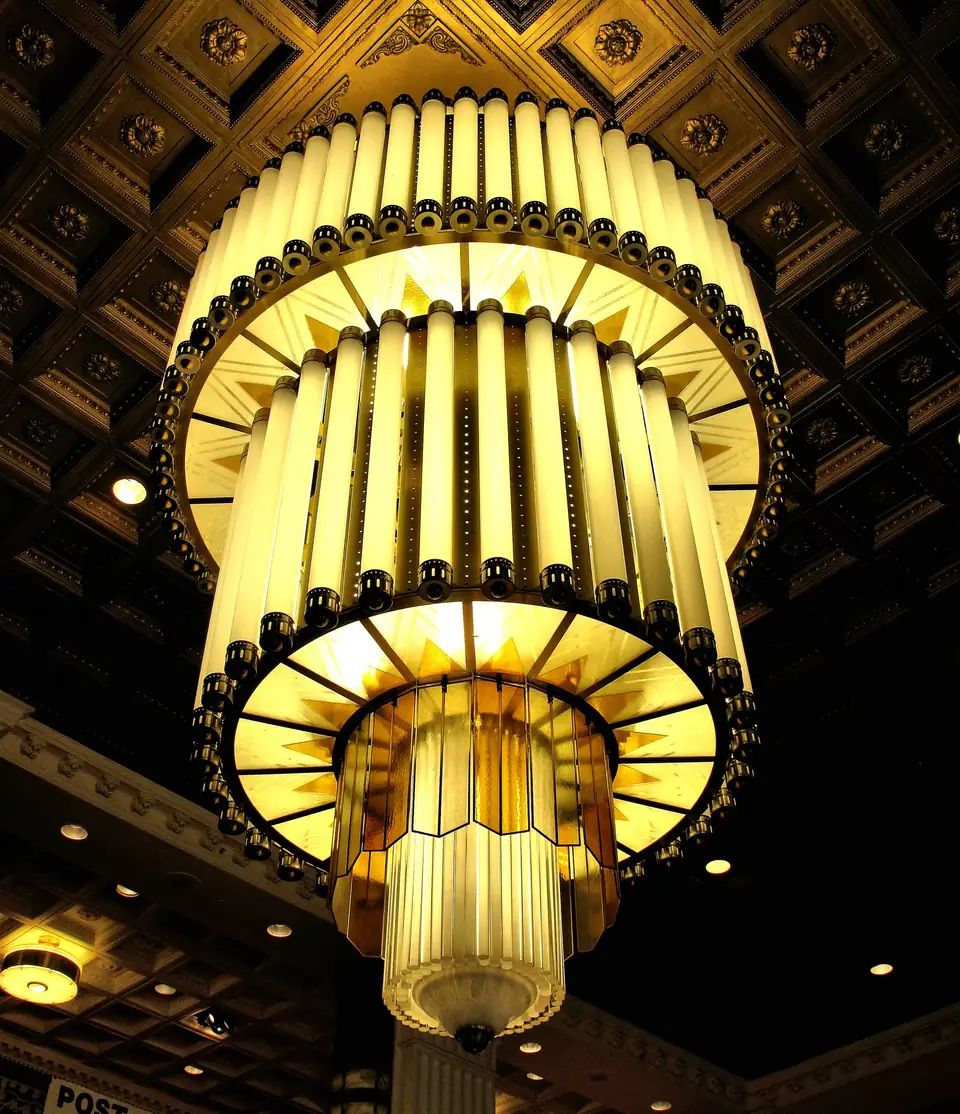
Art Deco Lighting: How to Recognize and Buy 1920s and 1930s Lamps
Photo: Francisco Anzola / Wikimedia Commons, CC BY 2.0Plate VII
Plate VIII
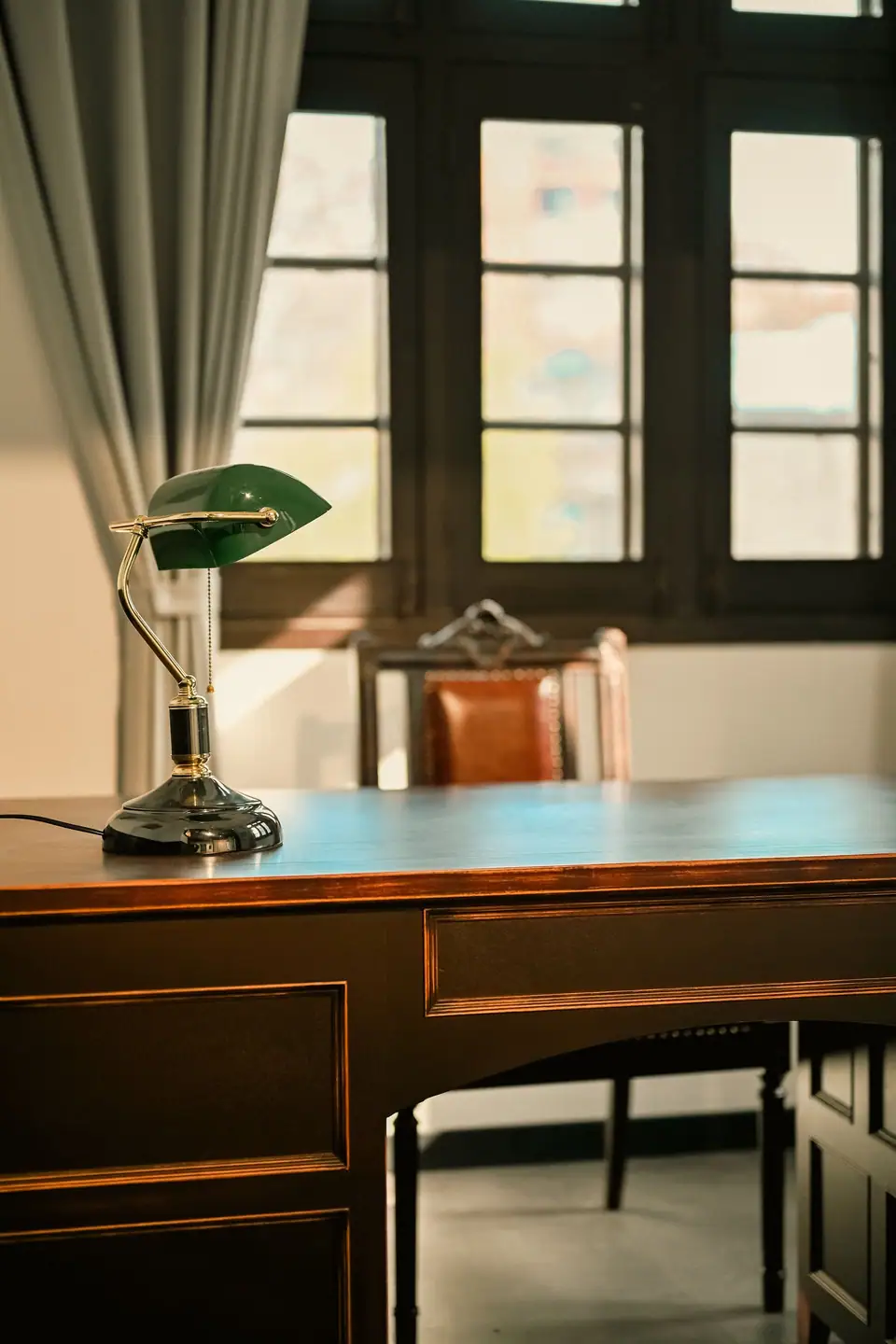
Plate IX